
A basic catalog sheet and a rough price leave the buyer without enough evidence on field-width customization, rotation layout, galvanizing inspection, component scope, or drawing communication. The practical test is whether the factory can translate plot dimensions into a buildable pivoting linear, keep the same configuration through production, and support a dealer or EPC with samples, drawings, and documents. That test matters most when the buyer is comparing source factories for dealer stock or a project award, because the lowest unit figure can hide differences in truss configuration, water-supply connection, and the paperwork needed to approve a shipment.
A catalog supplier offers a fixed model and expects the field to fit it. A custom design factory starts with field width, headland space, rotation configuration, and water supply, then builds the machine around those conditions. For a pivoting lateral, the 180° swing around the cart, internal or external rotation, mixed one-end-in and one-end-out layout, and hose drag or ditch feed supply all change truss geometry, cart position, and the return to lateral mode after each swing. The factory should be able to discuss these variables before a quote and show how the configuration changes with the field. Field width is the first variable to raise. The machine is custom-designed by field width and configuration, so the factory should ask for plot dimensions, length-to-width ratio, and water-source position before quoting. Rotation configuration comes next: two-end internal, two-end external, and mixed layouts solve different headland problems, and the factory should explain which layout fits the plot shape. Water supply closes the loop. Hose drag suits pressurized pipe networks, ditch feed suits open canal delivery, and a factory able to discuss both gives the buyer a clearer path to connect the machine to existing laterals. Project communication determines whether drawings can move directly to the customer or require repeated translation; a useful test is a marked-up layout that shows cart position, swing direction, truss run, and water connection. Suppliers also differ in the questions they ask. A factory with export project experience tends to request a headland sketch, source position, and any fixed obstacles before discussing truss runs, because those details affect rotation clearance and the choice of swing ends. A supplier that only asks for a model number is likely to quote a standard unit and leave the field-fit work to the buyer. The better comparison is not which brochure looks longer, but which factory can turn a field brief into a configuration line both sides can review.
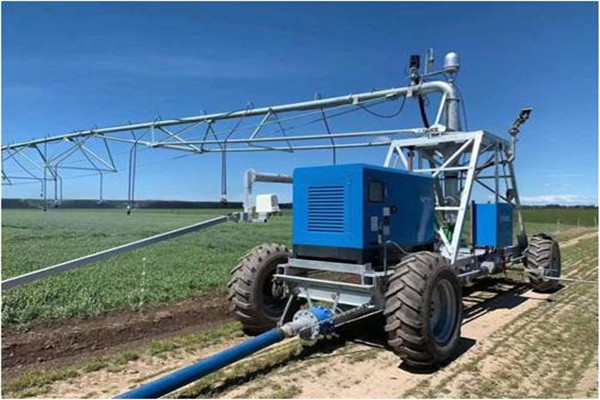
Galvanizing inspection belongs in the same conversation as rotation layout because both affect field performance. Structural steel for agricultural irrigation sits in soil, splash zones, and humid air. The American Galvanizers Association identifies coating thickness, adhesion, and uniformity as inspection dimensions for hot-dip galvanized products, and explains that soil conditions affect corrosion performance. A factory with an ISO 9001 production system, pre-galvanizing checks, and hot-dip galvanizing process experience gives a more reliable starting point than a supplier that only lists a coating standard in a brochure. Irritech has manufactured and exported from its Wuhu, China base since 2012; its production system follows ISO 9001, and its experience covers hot-dip galvanizing and export projects. The order specification still needs to state the coating standard, inspection points, and component scope that apply to that project. Component confirmation is the second half of the same review. A pivoting lateral project can involve gearboxes, drive motors, couplers, collector rings, sprinklers, contactors, and terminal blocks, and the factory should state which parts are standard, which are optional, and which brand each one carries for the order. The approved configuration sheet should tie the parts list, drawings, and galvanizing scope into one signed document. That gives the buyer a practical basis for comparing suppliers and checking the shipment against the approved machine. Any ASTM-A123 coating requirement, 20-year anti-corrosion terms, or branded UMC or Komet components should be written into that project-specific specification before the order is released. Production control also shapes the supply decision because a pivoting linear is assembled from repeated spans, joints, and drive points. A pre-galvanizing check on dimensions, hole positions, and weld strength reduces the chance that later assemblies fight the drawings. Final inspection should compare the finished span layout with the approved drawing, not just count pieces. Buyers comparing two factories can ask for the same three records: the configuration line, the inspection points before galvanizing, and the final component list. Those records make the quality conversation concrete and keep the commercial comparison on the same technical basis.
A sample kit is a practical opening step because it lets a dealer or EPC inspect welds, galvanizing finish, and hardware quality before committing to a full machine. Irritech offers free sample kits for this purpose. From there, the conversation should move from physical samples to project drawings. Send field dimensions, water source plan, and headland sketch, and ask the factory to return a marked-up drawing that shows cart position, rotation direction, and truss layout for that plot. A factory that can produce this drawing is demonstrating custom design capability. Once the drawing is agreed, the RFQ is worth checking four items so both sides quote the same machine:
1. Field width, total length, rotation configuration, and water supply type, written as one configuration line accepted by both sides before the quote goes out.
2. Component scope, including gearboxes, drive motors, couplers, sprinklers, contactors, and terminal blocks, with brand and model noted wherever the factory fixes them for the order.
3. Galvanizing scope and inspection documents, including the coating standard applied to the order, the inspection points covered before shipment, and the records delivered with the machine.
4. Sample confirmation, documentation package, packing method, and shipping terms, listed separately from price so each item can be negotiated on its own.
With those four items confirmed, the RFQ becomes a project coordination document rather than a price request. The factory can quote a configuration it can build, and the buyer can compare suppliers on the same technical basis. A short drawing review before the RFQ also exposes missing information early: whether the rotation end has enough headland, whether the hose route or ditch inlet fits the cart path, and whether the component list needs a branded part or an approved alternative. Those answers affect the build more than a generic catalog discount.
Sourcing a pivot lateral irrigator is a capability judgment, not a price comparison. Field width, rotation configuration, water supply type, galvanizing inspection, component confirmation, sample support, and drawing communication are the points that separate a factory able to build a custom pivoting linear from one that can only ship a catalog unit. A practical sequence is sample, drawing, component scope, galvanizing, and configuration sheet. Within a few exchanges, it becomes clear whether an RFQ is worth sending. Project-specific questions can start with a free sample kit request, field dimensions, and a marked-up configuration drawing before the RFQ stage.
A: Confirm the supplier can customize the machine to the field width and rotation layout before asking for a firm quotation, then check water-supply compatibility, component scope, galvanizing inspection records, and drawing communication. A written configuration line, a marked-up field layout, and a sample-kit review give the dealer concrete evidence that the factory can support both the first order and later spare-parts work.
A: Ask for the coating standard applied to the order, the inspection points covered before shipment, and a component list that names the brand and model wherever the factory fixes them. Put those details into the approved configuration sheet so the galvanizing scope, drawings, and parts list are signed together; ASTM-A123, 20-year anti-corrosion terms, and branded parts such as UMC or Komet belong in that project-specific specification.
A: Include field dimensions, length-to-width ratio, headland sketch, water source type and position, rotation preference, and any existing ditch or pipe infrastructure. Add the target configuration line, component scope, galvanizing standard, documentation, packing, and shipping requirements so the factory can quote the same machine the EPC plans to install.
Inspection of Hot-Dip Galvanized Steel Products
2021©Privacy PolicyTheme byIrritech


