
A lateral irrigator can look like one machine in the field, but its water supply path decides much of the daily work around it. One setup pulls pressurized water through a hose that follows the machine. Another draws from an open ditch beside the crop. Both are listed as supply options on the Irritech Global Irrigation Solutions pivot lateral irrigator, and both can work in large-field irrigation. The practical difference appears in sediment exposure, filtration attention, route maintenance, and headland movement. This comparison follows the water from source to machine so readers can judge the supply method by field conditions rather than by a simple label. That is why two machines with similar spans can feel different in daily operation once the water source is switched.
A hose drag supply is a closed path. Water leaves a hydrant, pump, or pressurized line and travels through a flexible hose connected to the machine. As the irrigator moves down the field, the hose is dragged, guided, or repositioned along a planned route. That route is part of the system. A clean lane, manageable bends, and a secure connection matter because the hose is both a water carrier and a moving field component. The machine receives water under pressure, so the supply point and hose condition shape how reliably the irrigator can keep moving. If the hose lane is poorly planned, the supply becomes a source of stoppage rather than a background utility. A ditch feed supply is an open path. Water sits in a channel beside or through the field, and the machine draws from that channel through an intake. The water is exposed to the field environment before it enters the machine: soil particles, plant debris, algae, and bank material can all travel with it. That open exposure is the key difference. It changes what the intake has to handle and why screening, settling, and cleanout attention become part of the routine. The path also ties the machine to the ditch line, water level, and bank access. A ditch that runs low or fills with debris can interrupt the machine even when the mechanical system is ready to move.
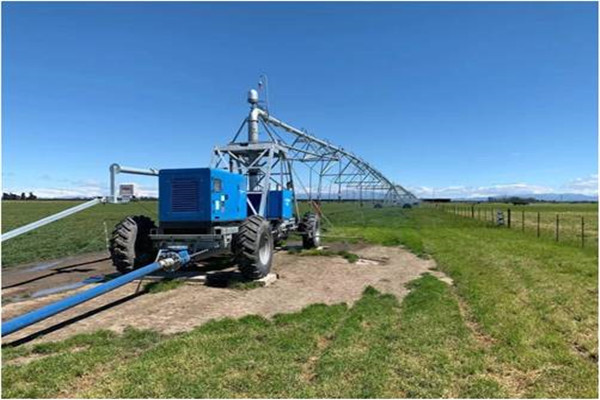
The two supply methods do not create the same field infrastructure needs. A hose drag system is organized around a pressurized connection and a route the hose can follow. A ditch feed system is organized around an open channel, a stable intake point, and water that stays accessible as the machine passes. These differences show up in four practical areas.
• Intake condition and sediment exposure: A hose drag supply usually delivers water from a closed line, so the intake sees less direct field debris. A ditch feed intake sits against open-channel water and may meet silt, algae, leaves, and suspended soil particles. That makes the intake condition a daily observation point rather than a background detail.
• Filtration attention: Ditch water often needs more attention at the intake and filter stages because the sediment load can change with flow, rain, and channel upkeep. Hose supplies can also carry particles from the source, but the closed path removes much of the field debris risk. The right filtration approach depends on the actual water source.
• Channel or hose route maintenance: A hose route needs a clear lane, controlled bends, and protection from traffic or sharp edges. A ditch needs clean banks, steady water level, and removal of weeds and debris that can block intake flow. Both are maintenance jobs, but one follows a moving hose and the other follows a fixed channel.
• Headland crossing during irrigation: With hose drag, the headland area must give the hose room to follow the machine without kinks, tight turns, or crop damage. With ditch feed, the headland must keep the intake aligned with the channel and allow safe access to the bank. The supply path, not just the machine, shapes how the headland is used.
Exact filter ratings, channel dimensions, flow, pressure, intake sizes, and water-quality limits are project-specific details. A field survey and water-source test settle those values. The concepts above explain why the supply path changes the field routine; the final configuration follows the actual water source and field survey.
A simple hose-versus-ditch preference misses the main question: what water is available, and how does it reach the machine? An open channel can be a practical supply source for a large field, but it brings sediment and debris that must be managed before water reaches valves, sprinklers, or pumps. FAO water-quality guidance treats suspended sediment and biological material as part of irrigation water management, which is why ditch feed systems often place more emphasis on intake screening and cleanout. A pressurized hose can reduce exposure to field debris, but it still depends on the quality of the source water and the condition of the hose line. That is the reason two farms with the same machine model can need different screening routines. Field layout is the second half of the decision. A hose drag system needs a route that can move with the irrigator across the field, plus a water point that can serve that route. A ditch feed system needs a channel that holds water reliably along the machine’s path, with banks and access points that work during irrigation. A lateral move irrigation system may cover a wide field, but the supply path decides where the machine can start, how it crosses the headland, and how much attention the water needs before it enters the machine. Readers comparing systems should match the supply method to the water source and field shape first, then look at machine details. The same layout question applies when a farm is choosing between a pressurized line and an open channel: the route must work for the whole irrigation season, not only for the first pass.
The useful comparison is not hose versus ditch in the abstract. It is which path fits the water source, field layout, and maintenance routine. Hose drag suits sites with a pressurized supply and a manageable route across the field. Ditch feed suits sites with an open channel and the attention needed to keep that channel clean. Readers learning a lateral move irrigation system should start with the water path. For project details, the intake, filtration, flow, and pressure values need to be defined for the site by an irrigation system manufacturer or irrigation equipment supplier. A supply method that fits the site will be easier to operate and easier to maintain.
A: A hose drag supply moves water through a closed, pressurized hose that is pulled or guided as the machine travels. A ditch feed supply draws from an open channel beside the field. The hose method puts more emphasis on connection pressure, hose route, and hose wear. The ditch method puts more emphasis on channel water level, sediment, intake screening, and bank access.
A: Open channels collect silt, algae, leaves, and soil particles as water moves along the field. Those materials can enter the machine through the intake, so ditch feed systems need more routine attention to screening, settling, and cleanout. The water source and channel upkeep decide how much attention is needed; filter ratings and water-quality limits are set for the actual project.
A: A hose drag system needs a reliable pressurized water point, a clear hose lane, and enough headland space for the hose to move without sharp bends or traffic damage. A ditch feed system needs a channel with stable banks, dependable water level, debris control, and access for screening and cleanout. Both need a clear plan for headland movement and safe access to the water source.
University of Nebraska-Lincoln Extension: Center Pivot and Linear Irrigation Management
Irritech Global Irrigation Solutions Pivot Lateral Irrigator
2021©Privacy PolicyTheme byIrritech


